
In the past four posts on this topic, I talked about how men view romantic fiction. In this post, I’ll mention some of my favorite examples and why they work. Warning: this post contains minor spoilers for the respective books.
Kael and Kyleigh (Fate’s Forsaken series)
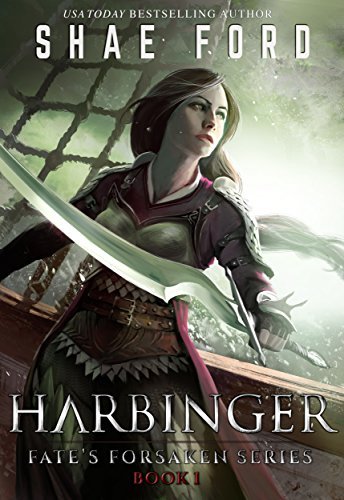
In one of the earlier posts about this topic, I mentioned how perfection when it comes to the protagonists is often an easy way to make it harder to connect with a character. I guess this is what I see as the strength of this book when it comes to the romantic subplot.
Kael himself develops some feelings for Kyleigh relatively fast, but as someone who was the subject of mockery, he feels inadequate. Those feelings lead him to believe he has no chance of succeeding with her. More so as he learns about her past, including all the heroes she’s met.
Kyleigh is also quite reluctant, though her reasons are different. As a shapechanger, she’s been raised in the belief that to be romantically involved with a “normal” human is a transgression that fate will punish with death.
Aside from those, they also get separated, each trying to deal with a different part of the antagonist’s plans, both hoping that what they feel will pass. It takes all the way to the third book (of four) when they admit the truth. In this case, it’s the fears and doubts they both have that make these characters much more human and easier to connect to.
Garin and Wren (Legend of Tal series)

This story tends to follow the typical fantasy plot in the way that a young man is torn from his calm life and thrown into an adventure he didn’t dream of. Garin follows Tal, a hero involved in his past, and gains access to magic through a strange accident. During his journey, he meets Wren, the daughter of Tal’s friend, and the two end up bonding quite well.
Wren, as an aspiring troubadour raised in towns, seems to be better in many ways than Garin – and isn’t shy of showing her skills, or her passion. As in the previous example, Garin’s awareness of his flaws makes him easy to connect to, more so when it comes to his relationship with Wren, who isn’t exactly shy about making it clear what she wants. But, as it turns out, despite all her advantages, she can also feel inferior, just over one thing. And it’s very refreshing when she admits to her faults.
“I’ve been a prick, I can admit that,” she went on. “And I won’t be any longer. But… there is still one thing.” His hopes faltered. “What now?” Wren jabbed a finger painfully into his chest, emphasizing her words with it. “You matter. I don’t. No, don’t argue — I’m not trying to gain your pity. I’m just facing how things really are. You’re a Fount, just as you said. You have that devil in your head and grasp sorcery as easily as walking or breathing. You might make a difference against Yuldor. But me? I can scrap, and caper, and read — but none of that matters out here in the East.” She flashed him a grin, bitter with revelation. “And though I’ve never liked the leading role on the stage, I’m not fond of giving up attention.”
Garin’s power isn’t without a cost – with a voice in his mind helping to grasp magic, he fears losing his mind or himself and becoming a monster – something Wren eventually helps him to deal with. As I said in one of the recent posts, support in hard times is something men want to experience from someone they love.
Anders and Maija (Bond of a Dragon series)
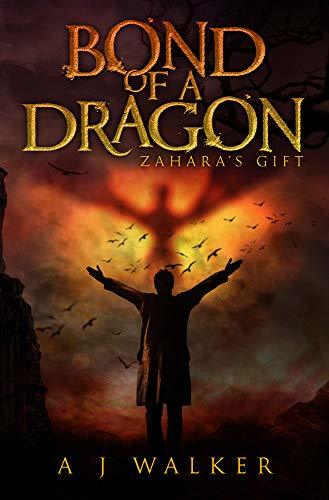
This book combines the two examples above. Anders and Maija meet unexpectedly and, before they can even get to know each other, they’re separated in an attack on the town. And while they reunite at the end of the first book, they need to take a different path soon in the second. In this case, though, they are quite open about their feelings for each other.
Anders soon begins noticing some similarities between his childhood and Merglan’s (the main villain) – and, when tapping into an unknown power and affected by urges to use – and abuse – this power, his fear only grows to the point he begins pulling inward. A situation when a partner’s support means a lot.
“Consider what’s about to happen, Anders. Think about our relationship and whether you want this to work,” Maija said, pointing from herself to Anders. “You’re going to have to tell me things; even the uncomfortable things. Otherwise, this mistrust will grow and become an issue. I don’t want to be with someone who doesn’t trust me as much as I trust him.”
With help from both Maija and his dragon, Anders manages to overcome his doubts and weaknesses, and they soon work as a team rather than two individuals.
Rita and Delno (Dragon Fate and sequels)
This book is quite far from the typical progression of a romantic plot. Especially as Rita seduces Delno mere hours after they meet for the first time. And while being open about the physical part is definitely refreshing, it’s nowhere near the main point. Both Delno and Rita were shaped by events in their past they couldn’t exactly affect, and that left them with not exactly pleasant feelings (though these are much worse for Rita).
As I mentioned in the previous posts, mutual support and helping your partner deal with a traumatic event is a strong point, and the two bond well over it. Soon after they learn more about each other, it becomes a relationship built on trust and mutual support. Rita lets Delno take the reins when it comes to the fight against their enemy – not because she’s a woman but because she trusts his judgment – but she’s definitely an equal partner who knows how to ask for what she wants.
Joaquim and Nayeli (Drakin: An Empire of Ashes)
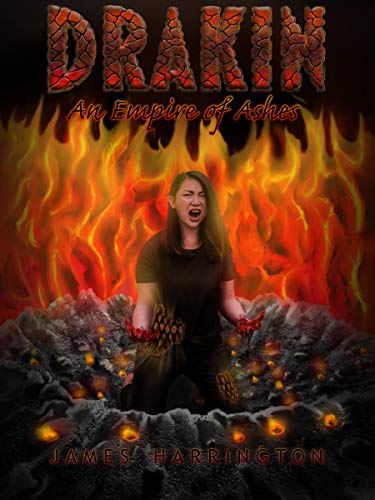
I said it before that romance feels much more powerful when it’s just another aspect in a high-stakes story. And the stakes can’t really be much higher than trying to stop a genocide on a scale that would put the Nazi to shame. Obviously, this is a very mature read.
Joaquim is a former jet pilot who deserted after a skirmish turned into a massacre of civilians and seeing the Empire he served turn a blind eye to that. Nayeli is a scavenger on the run from that very empire. And they both have a lot of unpleasant memories from their lives. By the time the book starts, they are already romantically involved. Instead of the early development, the story catches them in a moment when it’s tested the most.
When Joaquim rushes to save Nayeli from execution, they end up being a part of a resistance that could put a stop to those atrocities, and their relationship is a beacon in a bleak time, despite the fact they need to confront their pasts, prejudices, and fears – and help each other with their traumas while trying to stay alive against the army of a cunning leader consumed by racism and hate.
So, that’s a more personal look as for what takes my interest when it comes to romantic subplots and how it ties to the issues I’ve mentioned in the previous posts. I will welcome any examples of your own, if you have any favorites yourself.
 Tomas - the wandering dreamer